
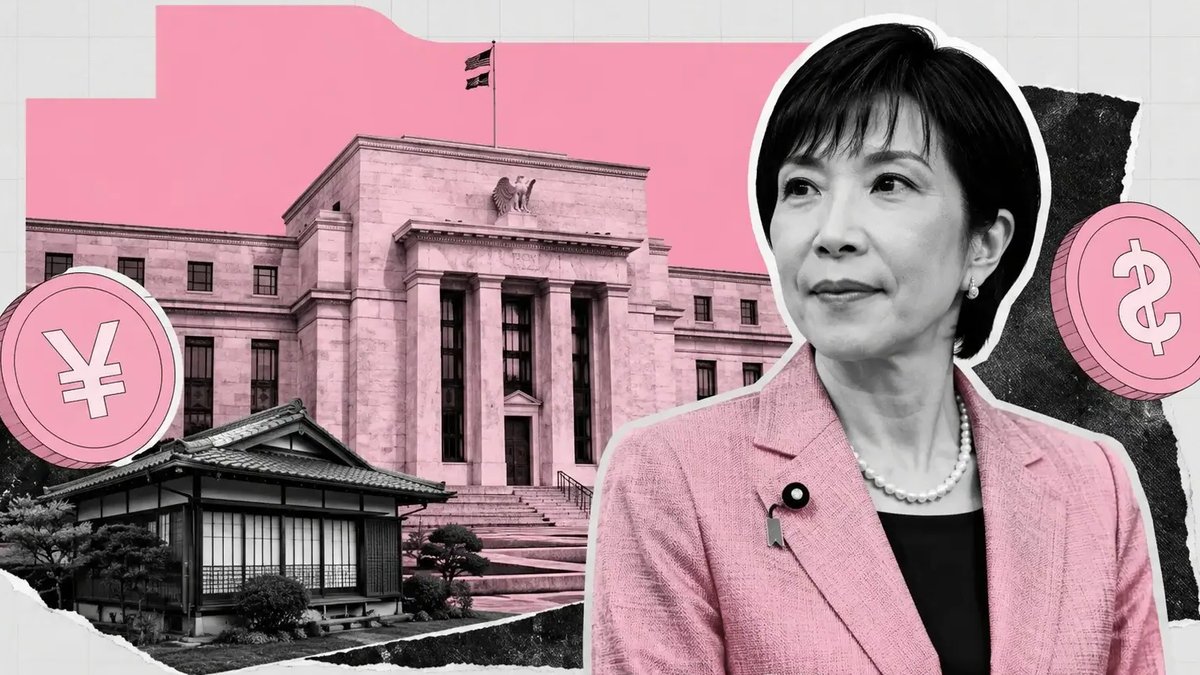
The USD/JPY pair is holding at 159.097, essentially unchanged, and is consolidating between 158.60 and roughly 159.50. The pair trades below both its 50-period and 200-period moving averages, which converge at resistance.
Japan’s 10-year JGB yield reached 2.86% while the 2-year hit 1.645%, the highest since May 1995. The US Dollar Index slipped 0.20% to 99.363, a three-month low and beneath the 99.40 floor of its recent range.
The context for the current range is the most dramatic currency event in fifteen years. In late July, USD/JPY climbed to a 40-year high of 163.73 as the safe-haven yen’s slide raised concern among policymakers. On August 1, Japan and the United States confirmed a coordinated intervention, the first joint action since 2011.
The immediate effect was substantial. USD/JPY dropped sharply, briefly trading in the mid-156 area, a decline of roughly 700 pips from the high. However, the pair has since retraced roughly half of what it gave up following the August 1 action.
The technical structure is unusually well defined for a currency pair. The nearest support sits at 158.60, established during the August 14 drop, which places it 50 pips beneath spot. On the upside, the 159.45 to 159.50 zone has already turned back the pair’s Friday-to-Sunday plateau and lines up with where both moving averages currently sit.
Position relative to those averages defines the near-term bias. Trading beneath both the 50-period and 200-period means the short-term and long-term trend measures are both overhead, which is a bearish configuration for the dollar side of the quote regardless of the 159 handle.
Japanese monetary policy has moved decisively and the market has not fully priced it. The Bank of Japan raised its policy rate to 1.0% on June 16, a 25-basis-point increase from 0.75% that took rates to their highest level in over 30 years and marked the first time since 1995 that Japanese rates reached 1%.
Related: QUBT Trades at $8.83 $690M Valuation $42.5M Backlog
The July 31 meeting delivered a hold with a hawkish composition. The BoJ kept the rate at 1% in an 8-1 decision, with board member Hajime Takata proposing an increase to 1.25%. In its outlook the bank warned that core inflation was likely to accelerate to a level clearly above 2%.
As the Bank of Japan continues to tighten policy, it’s likely that the yen will eventually benefit from the increased interest rates, potentially narrowing the gap with the US Federal Reserve’s target range. The timing and pace of these changes will determine the impact on the USD/JPY pair.
The Japanese bond market has repriced more aggressively than the currency, and the yield data is the strongest yen-supportive evidence available. The benchmark 10-year JGB yield rose 4.5 basis points to 2.850% and subsequently climbed to around 2.86%, its highest level in more than a month.
The long end has moved in parallel. The 20-year yield climbed 3 basis points to 3.715% and the 30-year added 4 basis points to 3.990%, approaching the 4% threshold. That steepness carries fiscal consequences given Japan’s debt-to-GDP ratio of almost 230%, the highest in the world.
The interaction between the US and Japanese yield curves, as well as the policy decisions of the Federal Reserve and the Bank of Japan, will be critical in determining the future direction of the USD/JPY pair. As the market continues to monitor these developments, it’s likely that the pair will remain volatile, with potential for significant movements in either direction, similar to the impact of US retail sales on currency markets.
They will be watching the Bank of Japan’s policy decisions closely.


Leave a Reply