
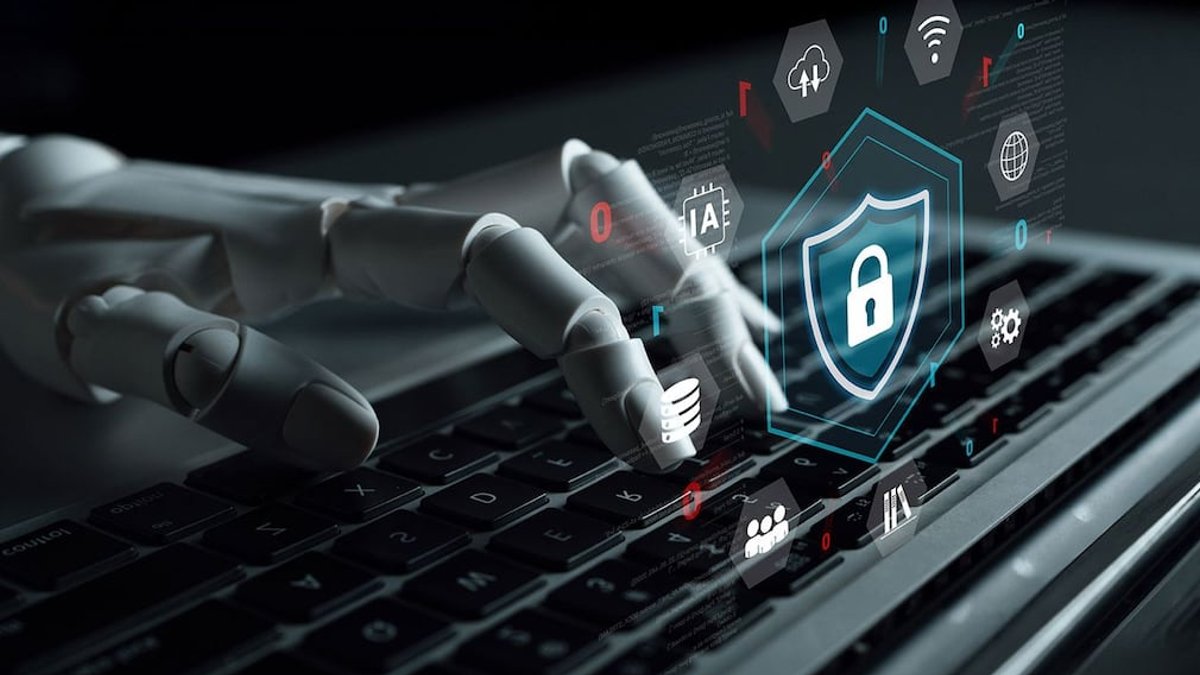
A series of technological failures in the United States has sparked widespread concern, affecting millions of internet users. The disruptions began with Microsoft’s email services and quickly spread to air traffic, banking, and national security systems.
These events raised fears of potential cyberattacks and reignited debates about the risks associated with artificial intelligence in digital security. Users took to social media to express their worries about the safety of their accounts and devices.
A cascade of disruptions
On November 12, over 450 million Microsoft 365 users encountered difficulties accessing services such as Outlook, Teams, and Copilot. The following day, the Federal Aviation Administration (FAA) temporarily halted all departures nationwide. Workday, a human resources technology company, also experienced outages during this period.
The disruptions continued on Monday, impacting Chase Bank’s services and United Airlines’ pilot communication tools. By Tuesday, the National Security Agency’s (NSA) internal network and certain Apple services were also affected, further exacerbating the situation.
The role of AI in cybersecurity
This series of events coincides with a notable increase in AI-driven cyberattacks and a surge in software patches, creating a complex environment for IT professionals. In October, researchers observed an unprecedented wave of intrusions, referred to as “Black October.” Many of these incidents involved Artex, an AI-powered hacking tool that accelerates the pace of attacks.
The FBI issued a warning about Artex on the same day the FAA grounded flights, sparking speculation about a potential connection. However, the agency later clarified that the alert was not related to the technological disruptions.
While artificial intelligence presents certain risks, it also provides valuable solutions. Tools like Mythos, developed by Anthropic, and models from OpenAI assist in identifying and rectifying security vulnerabilities within software code.
The challenges of software updates
As the integration of the internet deepens, the process of updating systems and addressing vulnerabilities becomes increasingly complex. This heightened complexity raises the likelihood of faulty updates causing significant disruptions. Microsoft, the FAA, Chase, the NSA, Workday, Apple, and United Airlines have all stated that their respective outages were not the result of cyberattacks.
In the majority of cases, the issues originated from software updates designed to fix vulnerabilities but inadvertently introduced new errors.


Leave a Reply