
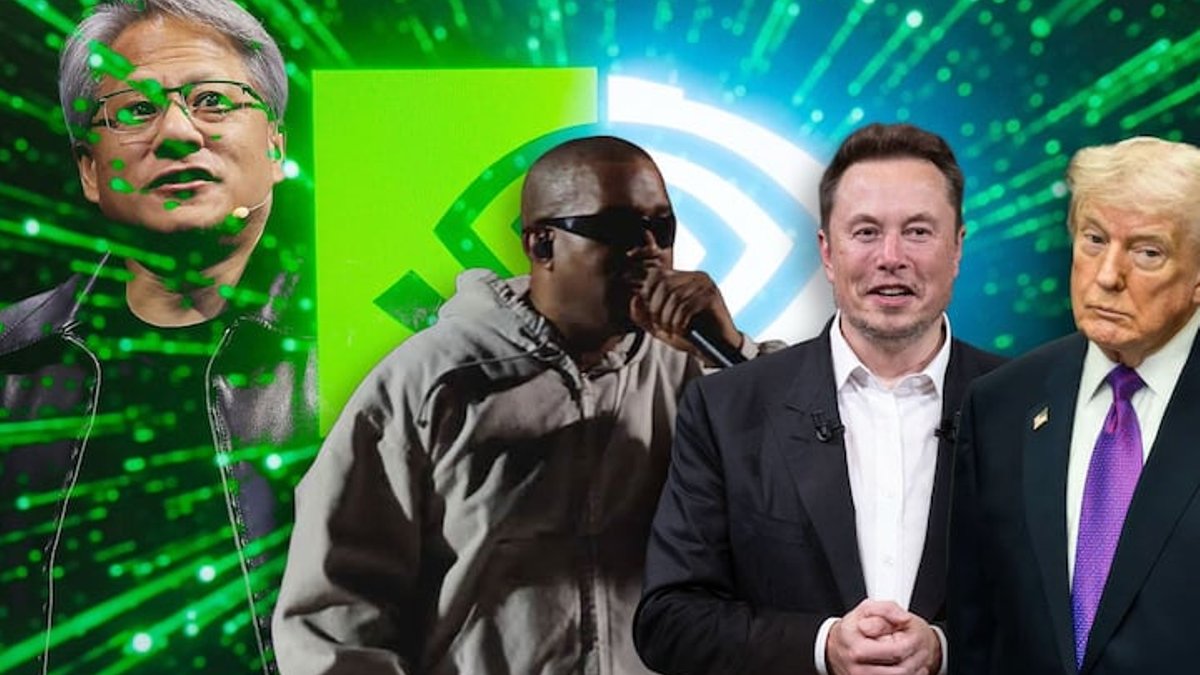
Jensen Huang, former CEO of Nvidia, faces a divided public and market following his recent departure. Over 188,000 people have signed a petition urging his return, while others support his removal. This division reflects not only personal opinions but also differing views on corporate governance and accountability in high-stakes industries like semiconductors.
A letter addressed to Nvidia’s board of directors, signed by prominent figures, argues for Huang’s reinstatement. It emphasizes the need for a fair process, stating, “33 years of leadership don’t place anyone above accountability, but accountability requires evidence, a fair hearing, and a reasoned decision.” The letter shows the tension between swift action and due process in corporate decision-making.
Who’s Backing Huang’s Return?
Notable signatories include Elon Musk (CEO of SpaceX and Tesla), Tim Sweeney (CEO of Epic Games), and Kanye West. Even Donald Trump, who holds Nvidia shares worth up to $62 million, has voiced support, though he didn’t sign the letter. Other key backers are Amjad Masad (CEO of Replit), Tobias Lutke (CEO of Shopify), Julien Chaumond (CEO of Hugging Face), Steve Chen (co-founder of YouTube), and Jim Fan (Nvidia executive). Their collective endorsement highlights Huang’s influence across tech and entertainment sectors.
The letter highlights Huang’s 33-year dedication to Nvidia, crediting him with driving the company’s success despite industry skepticism. It calls for his reinstatement pending an independent investigation into allegations of infidelity and potential involvement with a suspected Chinese spy.
Read Also: Asian stocks slump as AI oil concerns rise
The Allegations and Market Reaction
Huang’s personal life has been under scrutiny since November 8th, when he disclosed a relationship with a woman suspected of espionage. Subsequent accusations of extramarital affairs, including one with a subordinate, led to his removal by the board on Friday. These allegations have raised questions about corporate ethics and the intersection of personal conduct with professional responsibilities.
This turmoil coincides with broader market concerns about the massive investment in AI infrastructure. As a key chip manufacturer, Nvidia is central to this development. The company’s role in AI advancements makes its stability key for the tech industry’s future.
What’s Next for Nvidia?
While some investors advocate for Huang’s return, citing his 700,000% return on investment during his tenure, others, like U.S. Treasury Secretary Scott Bessent, call for a leadership overhaul and transparency regarding export control compliance. Bessent’s stance reflects broader regulatory concerns about the global impact of AI technologies and the need for ethical leadership in tech companies.
The petitioners demand a public explanation of the allegations, the evidence, and how employee and shareholder interests were considered. They argue that suspicion alone shouldn’t justify Huang’s removal. This call for transparency resonates with growing demands for accountability in corporate leadership, especially in industries with significant societal impact.


Leave a Reply