
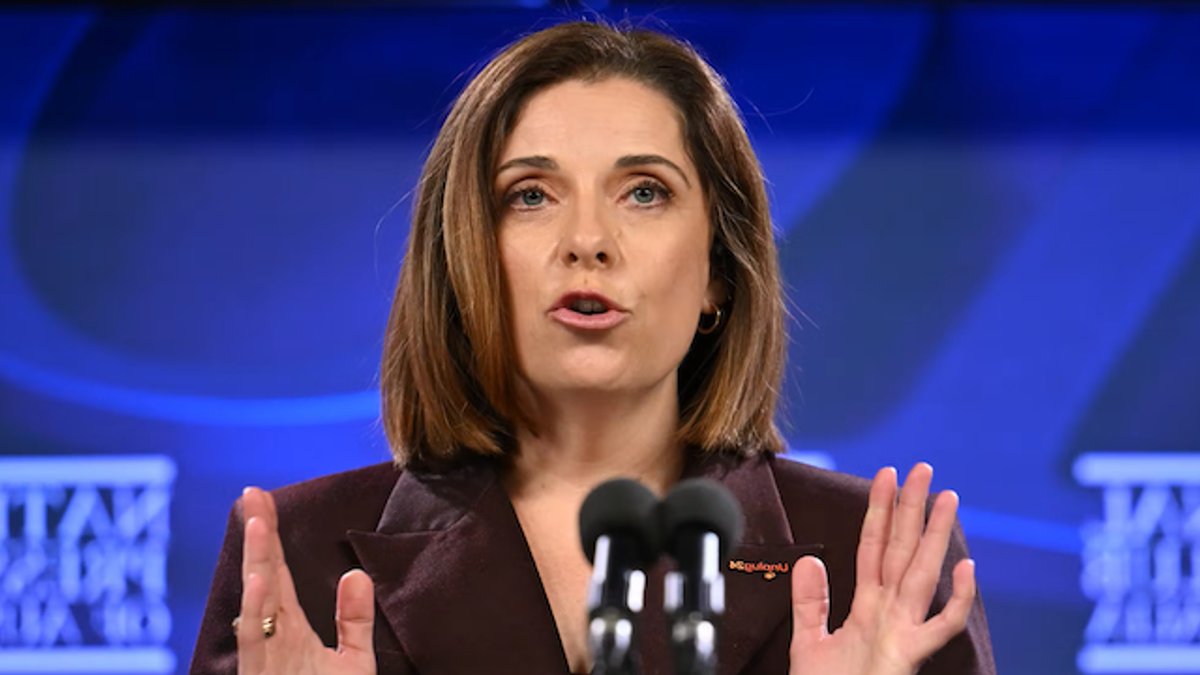
Australia is advancing new laws aimed at holding online service providers accountable for protecting users from digital harm. Communications Minister Anika Wells has introduced the digital duty of care bill into parliament, amending the Online Safety Act to strengthen protections for Australians against harmful online content.
Core Principles of the Bill
The legislation establishes that online platforms, including social media sites, websites, games, and messaging apps, must take appropriate action to shield users from seriously harmful material and conduct. A central requirement is safeguarding children from bullying, disordered eating promotion, dangerous stunts, and harmful algorithmic designs.
The government’s “my feed, my way” initiative, described by Prime Minister Anthony Albanese, would empower the minister to mandate tools allowing users to control their service’s design features, such as content recommendations. The exposure draft, released for feedback in September, attracted submissions from researchers and organizations emphasizing the need for data access and independent scrutiny through “sock puppet” accounts.
Updates to Harmful Content Definitions
Significant revisions clarify what constitutes harmful material. The definition for adults now explicitly includes encouragement or promotion of gender-based violence, non-consensual fake nude material, and the sharing or threatening thereof. Material classified as Commonwealth criminal offenses would only fall under the duty if likely to cause serious harm.
Crucially, the bill removes the minister’s authority to add harmful categories via legislative instrument, requiring parliamentary amendments instead. This change addresses earlier concerns about expanding content moderation powers.
New exemptions also protect professional news, educational, artistic, scientific, and public health content. Restrictions on material promoting illicit drug use have been removed, responding to advocacy group concerns about impacts on drug education and harm reduction efforts.
Industry and Expert Reactions
Experts generally welcomed the overall proactive approach: putting responsibility on online service providers to make the online environment safer for Australians. However, some urged broader enforcement mechanisms beyond the eSafety Commissioner, including individual and collective legal remedies for harm. Others worried platforms might over-moderate, suppressing public-interest content like sexual health or illicit drug education resources.
The Coalition remains critical of the legislation and is unlikely to support it. Greens Senator Sarah Hanson-Young said today the Greens would support the bill in principle, but are asking for much steeper penalties for big tech companies if they breach the duty. The party also wants Australians to have the ability to sue tech companies directly.
Senate Inquiry and Next Steps
The bill will now be sent to a Senate inquiry, with a report expected before the end of the year. The government has published an explanatory memorandum to clarify provisions, particularly around algorithmic design and user control mechanisms.
Uncertainties remain about how platforms will interpret and enforce these exclusions in practice.


Leave a Reply