
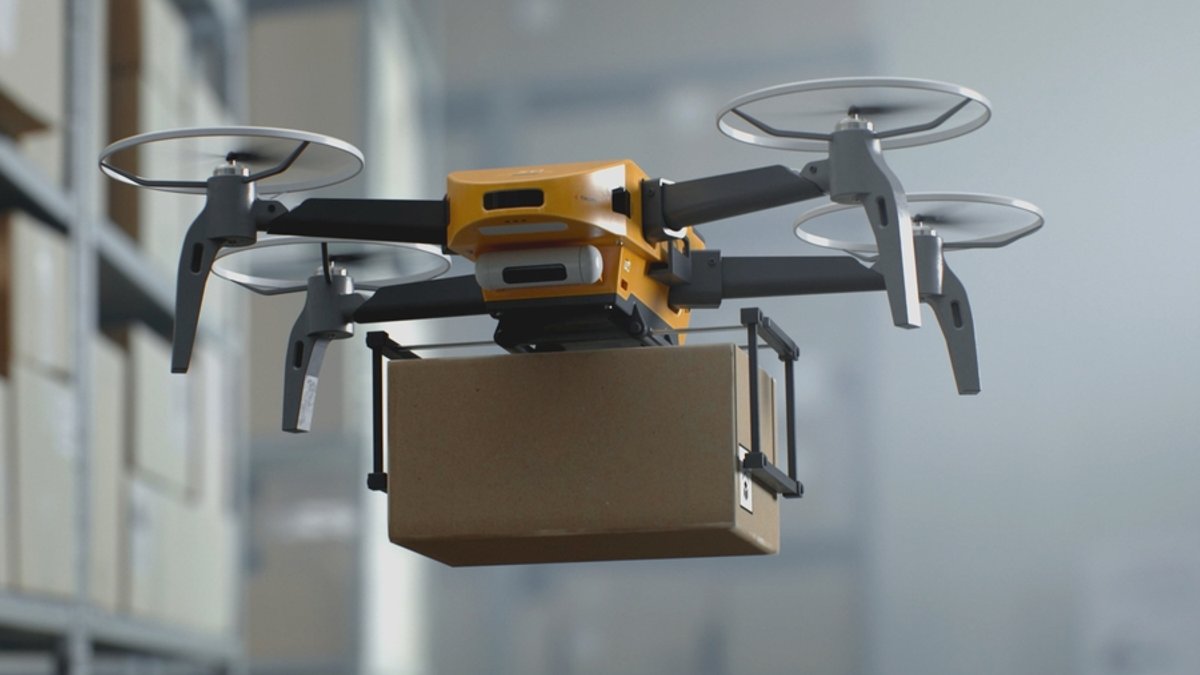
Uber and Zipline are targeting one million drone deliveries per day by the end of 2029, though this remains a company-stated goal rather than current operating scale. On August 17, 2026, Uber Technologies and Zipline announced a strategic partnership to bring autonomous drone delivery to Uber Eats customers across the United States, with Uber also making a strategic investment in Zipline. The headline number is a goal of one million drone deliveries per day by the end of 2029, with first deployments beginning later this year in Zipline’s existing U.S. markets before expanding to dozens of additional cities.
From Rwanda to Arkansas
Zipline was founded in Half Moon Bay, California, in March 2014. Its first real-world proving ground was not a U.S. suburb, but actually rural Rwanda, where the company began flying blood to hospitals in late 2016 in partnership with the Rwandan government. Within its first few years of operation, Zipline drones were reportedly carrying a majority of Rwanda’s blood supply outside the capital, cutting delivery times for a life-or-death product from hours to minutes. The company then extended the model to Ghana in 2019, in partnership with the government and Gavi, the vaccine alliance, to serve roughly 2,000 health facilities and 12 million people.
It’s notable that drone delivery’s first commercial proof point in the modern era wasn’t a novelty pilot for tech enthusiasts; it was critical medical logistics in geographies where roads and infrastructure could not reliably do the job. That’s a very different kind of “product-market fit” than most people assume when they picture a drone dropping off a burrito. It suggests the underlying technology was solving a genuinely hard logistics problem years before it touched a food delivery app.
Related Post: Why Strategic Partnerships Matter in Bond Markets
Quiet Expansion Into Retail
The consumer chapter opened earlier than most people might realize. Walmart and Zipline announced a U.S. drone delivery partnership in September 2020; Walmart’s own press materials called it “first-of-its-kind” for the country, with actual deliveries of health, wellness and consumable items beginning at a Neighborhood Market in Pea Ridge, Arkansas in November 2021. Zipline’s retail and grocery partner list has since grown to include Chipotle, GNC, Panera Bread, Sweetgreen and Mendocino Farms.
DoorDash and Wing (Alphabet’s drone delivery unit) launched their first U.S. drone delivery service in Christiansburg, Virginia in March 2024, before expanding into the Dallas-Fort Worth metroplex and the Charlotte region; by April 2026, that footprint had grown to a fourth U.S. market, metro Atlanta, with the companies citing tens of thousands of completed deliveries across those markets. Uber itself was not standing still either. In September 2025, it made its first-ever investment in drone delivery, partnering with Flytrex, an Israeli drone company already flying more than 200,000 meals for Uber Eats’ rival DoorDash, to pilot Uber Eats drone deliveries in select U.S. markets by the end of that year, a full year before the Zipline deal.
Escalating the Rivalry
However, the recent announcement appears to be generating far more attention. That’s the point. The infrastructure, the regulatory approvals, the operational playbooks and the consumer habituation were all being built in the background, market by market, for roughly six years before the biggest names in U.S. delivery started racing each other into it publicly.
Stripped of narrative, the concrete facts of the August 17 announcement are: Uber will make a strategic investment in Zipline; financial terms were not disclosed; first deployments launch later in 2026 in Zipline’s existing U.S. markets, which include Pea Ridge, Arkansas and the Dallas-Fort Worth metro, before expanding to dozens of additional cities; and the joint target is one million drone deliveries per day by the end of 2029, but this is company-stated aspiration, not current operating scale.
Read Also: Anthropic Files for Stock Market Debut
This directly escalates a rivalry with DoorDash and Wing, which have operated drone delivery since 2022 and expanded into metro Atlanta earlier this year. Uber Eats is a brand already used daily by tens of millions of Americans across ride-hailing, freight and food delivery, and it is now the largest, most habitual consumer surface to formally commit to drone delivery at national scale.
Zipline, DoorDash/Wing, Amazon and Walmart have each done important work proving the model works operationally and regulatorily. However, with UberEats, we are seeing, arguably, the mechanism by which the broadest possible U.S. population encounters commercial drone operations as a routine part of life, rather than as a story about Ukraine, Gaza or a regional pilot program in Arkansas.
The Investment Environment
The WisdomTree Physical AI, Humanoids, and Drones Fund (WDRN) is focused on drones, but it does not currently include platform companies like Uber or DoorDash. It also does not include the big, diversified player, Alphabet, even if Wing and Waymo are parts. As of this writing, August 17, 2026, both Flytrex and Zipline were private companies. Future holdings could be subject to change, and WisdomTree will continue evaluating the physical AI space as market conditions evolve.


Leave a Reply