
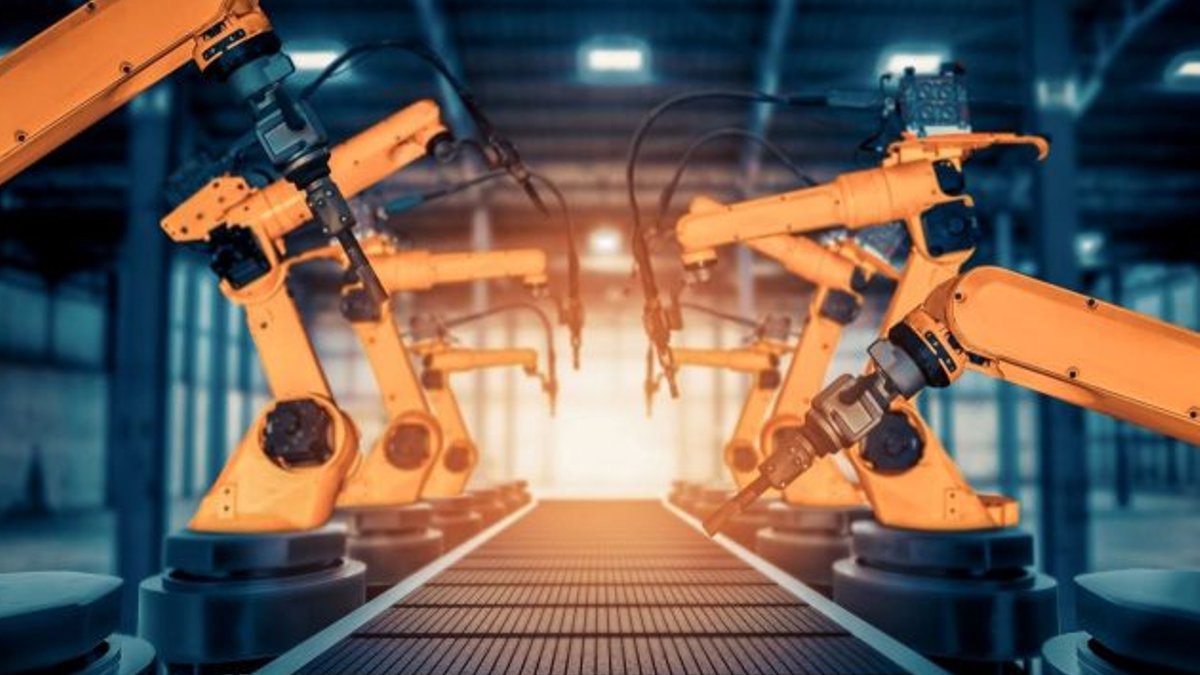
U.S. labor shortage is accelerating a robot revolution, with companies turning to automation as vacancies pile up.
Job Openings Reach Historic Levels
In June, the sector logged 481,000 open positions, the highest figure recorded in recent years. Recruitment and retention have topped every other concern for five straight years, edging out inflation and tariff worries.
The workforce numbers about 30 million employees, each generating roughly $220,000 in value added—more than any other advanced economy and far above the output per worker in China.
Robots Poised to Fill the Gap
Research shows a 94% correlation between open positions and robot installations a year later, making vacancies a reliable predictor of automation demand. Shipments are forecast to rise from about 45,000 units in 2025 to roughly 120,000 by 2030.
By 2033, the United States could become the second nation to operate over one million industrial robots, according to the same analysis.
Current momentum is evident in the purchasing managers’ index, which climbed to a run rate near 53 in 2026, up from an average of 49 the year before. Global factory‑automation firms reported top‑line growth jumping from 14% in Q1 to 24% in Q2, with operating profit rising from 33% to 56% year over year.
While headlines often spotlight humanoid machines, most deployments involve physical AI—robots that apply artificial‑intelligence tools to physical tasks. The lack of an ISO safety certification framework in the United States slows humanoid rollout, a hurdle that China does not face.
The shift matters beyond the shop floor; a shrinking pool of younger talent—only 8% of the sector’s workers are aged 16‑24, versus about 13% in other fields—means companies must rely on technology to sustain output.
Investors are watching closely. The analyst behind these forecasts also advises VettaFi’s ROBO Global Indexes, which underpin exchange‑traded funds focused on artificial‑intelligence and automation assets.
Related: Why Are AI and Tariffs Fueling Copper’s Surprising Summer Rally?
For readers who want a quick definition, industrial robot refers to programmable machines that perform repetitive tasks without human intervention.
Even with the surge, adoption will vary by plant size and product line, as firms weigh capital costs against the pressing need to replace departing staff.
The United States now accounts for roughly one‑seventh of worldwide manufacturing value added, a share that eclipses the combined contribution of Japan, Germany, Korea, Italy and France. This outsized role shows why the sector’s productivity is a strategic priority for the broader economy.
Demographically, the workforce is skewing older; about a quarter of employees are aged 55 or above, while the pipeline of entrants under 25 remains thin. Coupled with tighter immigration policies, the pool of available labor is projected to contract, intensifying the incentive to automate.
Physical AI deployments differ fundamentally from the humanoid concepts that dominate headlines. By embedding machine‑learning algorithms directly into robotic hardware, manufacturers can achieve precise, repeatable motions for tasks such as welding, material handling and quality inspection without the need for a human‑like form factor.
The absence of a dedicated ISO safety standard for humanoid robots in the U.S. creates regulatory uncertainty, discouraging firms from committing large capital to those platforms. In contrast, jurisdictions with established certification pathways have seen faster adoption of more anthropomorphic machines.
From an investment perspective, the link between labor scarcity and robot demand is seen as a durable tailwind for automation‑focused funds. The strategic advisor role held by the researcher at VettaFi connects the analytical outlook to the construction of the ROBO Global Artificial Intelligence ETF (THNQ) and the ROBO Global Robotics and Automation Index ETF (ROBO), both of which track companies that stand to benefit from the expanding robot market.
Manufacturers are also responding to the momentum signaled by macro‑level indicators. The purchasing managers’ index staying comfortably above the neutral threshold reflects sustained optimism among producers, while the accelerated revenue growth reported by global automation firms signals that demand for equipment and services is outpacing prior expectations.
Overall, the confluence of a sizable share of global manufacturing, an aging domestic workforce, and tightening immigration rules is forging a clear path toward greater reliance on programmable, AI‑enhanced machines. As companies balance the cost of capital against the urgency of filling skill gaps, the trajectory points toward broader robot integration across a spectrum of plant sizes and product complexities.


Leave a Reply