
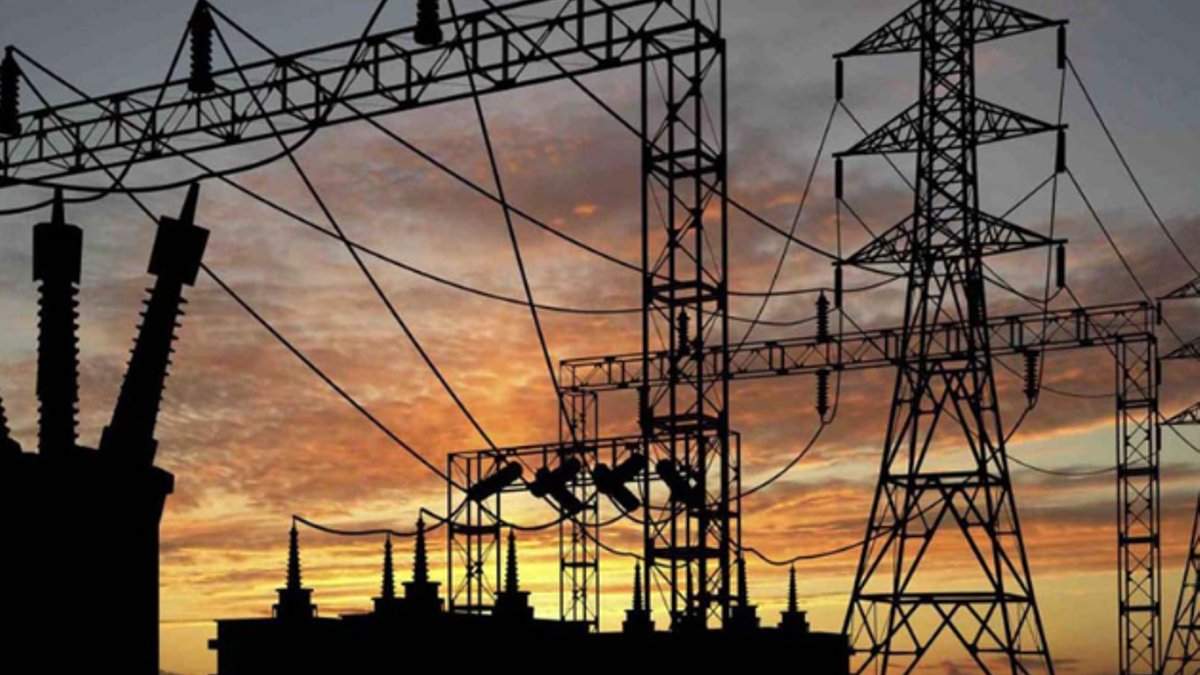
Nigeria’s unstable electricity grid is heightening the country’s exposure to dangerous heat as the El Niño weather pattern intensifies, pushing health risks higher and raising costs for cooling homes and maintaining businesses. The Sustainable Energy for All organization reports that 92 million Nigerians lack electricity access, a gap that worsens during heatwaves when power outages become more frequent and severe.
Researchers at the University of Chicago’s Climate Impact Lab project that Nigeria could face 31,400 additional heat-related deaths between September 2026 and February 2027, the highest toll anticipated in any country during the current El Niño event. The forecast includes 66,800 deaths across Africa’s Sahel region, with poverty and unreliable power amplifying the danger.
Power Allocation Challenges
Data from Nigeria’s electricity distribution system shows that 11 distributors received a combined 3,176 megawatts on October 23, with significant disparities. Abuja Disco led allocations at 575 MW, followed by Ikeja Disco at 467 MW and Eko Disco at 458 MW. Northern regions received markedly less, with Yola Disco serving 74 MW, reflecting the area’s heightened heat exposure.
The northern allocations align with regions experiencing the most extreme temperatures due to their proximity to the Sahara Desert and limited rainfall. The Nigerian Meteorological Agency recorded 41°C in Nguru, Yobe State, while Lagos reached 34°C. These temperatures strain both households and businesses already coping with frequent power cuts.
Expert Warnings and Economic Impact
“Not having stable electricity during this heatwave period is very disastrous,” said Toyosi Akinbobola, head of energy at Sofidam Capital. Gas shortages further complicate the situation, with pipeline vandalism destroying 128 transmission towers in 2024 and thermal plant supply dropping below 43 percent of daily needs.
“Nigeria’s stranded power crisis is a transmission failure, not a generation failure,” stated Joy Ogaji, CEO of the generators’ association, highlighting the strain on small businesses. “A small tailor earning N4,000 a day can spend N3,000 of it on generator fuel,” she said.
Greg Odogwu of the Centre for Renewable Energy emphasized that even grid-connected households cannot rely on electricity during peak heat hours. “When supply fails, consumers with sufficient resources turn to petrol or diesel generators, solar systems, batteries and inverters. Others have no practical alternative,” he said.
BusinessDay’s reporting reveals cascading costs: shops operate generators longer, manufacturers face higher expenses, and healthcare facilities struggle to maintain vaccines and medications requiring controlled temperatures. The World Meteorological Organisation warns that El Niño’s effects may persist beyond late 2026, intensified by climate change raising baseline temperatures.
Related Post: The Crucial Function of Pharmacy in Health Systems
“Much of Africa lacks the electricity needed for air conditioning,” wrote University of Chicago’s Michael Greenstone and UC Berkeley’s Tamma Carleton in an analysis for Gavi’s VaccinesWork. “Poorer, hotter countries will lack the money and reliable electricity needed to protect people,” they noted.
In Lagos, residents endure sweltering conditions with limited relief. “The heat is unbearable, and with no power, we can’t even turn on fans or air conditioners to cool down,” lamented Adeola Okonkwo, a resident of Mushin Local Government Area in Lagos. “It’s like being trapped in an oven.” For those with means, generators and solar-battery inverters provide temporary solutions, but diesel and petrol costs strain budgets, forcing small firms like food sellers and pharmacies to choose between rising overheads and spoiled stock. The divide grows starker as wealthier urban households face heatwaves while poorer communities in northern states, where temperatures peak, remain largely exposed.
Distribution disparities highlight systemic challenges in Nigeria’s power grid. Ibadan Disco received 355 MW on October 23, while Port Harcourt Disco got 291 MW. Benin and Enugu each received under 250 MW, revealing uneven national allocation patterns. These regional imbalances intensify vulnerability in areas already facing extreme heat conditions.
Northern states received particularly low allocations, with Kano at 173 MW, Kaduna at 167 MW, and Jos at 146 MW. Yola Disco’s allocation of just 74 MW shows the severe electricity shortage in Nigeria’s most heat-exposed region. These limited power supplies compound health risks for communities already dealing with temperatures reaching 41°C.
Healthcare System Strain
Hospitals and clinics across Nigeria face mounting challenges maintaining essential services during the heatwave. Many facilities depend on diesel generators, which become critical during peak temperature periods when grid power fails most frequently. The combination of extreme heat and unreliable electricity creates dangerous conditions for both patients and medical equipment.
Healthcare providers struggle with vaccine storage and medication preservation as cold chain systems require consistent power supply. Rising fuel costs for generators strain already limited hospital budgets. Admissions for heat-related illnesses increase simultaneously with the power outages, creating additional pressure on medical facilities that lack adequate backup systems.
The power shortfall means that many facilities operate below capacity, with some essential equipment remaining offline due to temperature-sensitive requirements. Staff shortages compound these problems as healthcare workers themselves succumb to heat exhaustion, further reducing available personnel during emergencies. Medical supplies that require refrigeration face spoilage risks, particularly in facilities without reliable backup power sources.
Regional differences in power allocation create further complications for healthcare delivery across the country. Facilities in areas with lower distribution allocations must rely entirely on their own generation capacity, which may be insufficient during extended outages. This creates a two-tiered healthcare system where access to quality care depends partly on geographic location and available infrastructure.


Leave a Reply