
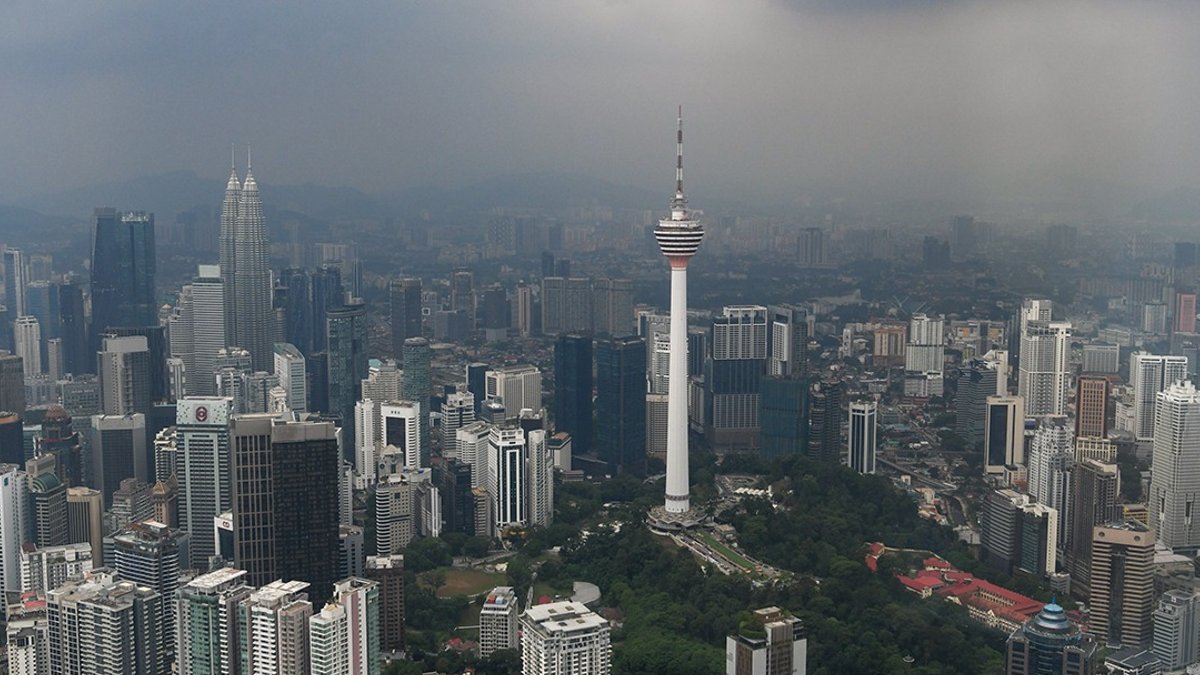
Buyers in Malaysia’s Klang Valley residential market are now prioritizing product design, pricing, and location over sheer volume, signaling a more deliberate approach from both developers and purchasers. This shift is detailed in Savills Malaysia’s second-quarter 2026 report, which notes the market’s cautious but stable trajectory.
The Klang Valley market held steady in 2Q2026, buoyed by economic expansion and steady financing conditions. Malaysia’s economy grew 6% year-over-year during the quarter, fueled by domestic demand, investment activity, and strong exports. Meanwhile, Bank Negara Malaysia kept its overnight policy rate at 2.75%, sustaining a supportive environment for housing demand. These factors helped offset broader market restraints, though activity did not surge.
Affordability Constraints Tighten Market forces
Affordability constraints, higher development costs, and a more selective buyer base continue to influence outcomes. While demand remains, it is now concentrated in properties with strong locations, competitive pricing, and distinct design features. Developers and buyers alike are balancing tighter budgets against rising expenses for fuel, transport, labor, and construction materials.
Kuala Lumpur’s high-value segment continues to favor properties with strong connectivity, employment access, and established amenities. With limited land available for new developments, future supply will increasingly depend on redevelopment, urban infill, and mixed-use projects. The upcoming WOLO Mont’Kiara development—a mixed-use scheme combining a hotel, serviced apartments, and private residences—demonstrates growing interest in integrated lifestyle concepts in the Mont’Kiara and Dutamas areas.
Selangor Takes Lead in Residential Growth
Selangor remains the primary growth market for Greater Kuala Lumpur, attracting first-time buyers and young families seeking larger homes at accessible price points. The distinction between Kuala Lumpur’s focus on high-value redevelopment and Selangor’s scalable residential opportunities is becoming more pronounced.
Developers are adopting a measured approach in the second half of 2026. While economic conditions and investment activity remain favorable, launch strategies will emphasize careful phasing, pricing adjustments, and product differentiation rather than rapid expansion.
Affordability concerns are also reshaping product design. High-rise developments are increasingly featuring smaller, more efficient layouts to lower entry costs, while landed housing is adopting compact lot configurations. Government support, including expanded guarantees under the Housing Credit Guarantee Scheme and extended stamp duty exemptions for properties under RM500,000, is easing access for first-time buyers, particularly in Selangor’s suburban markets.
Kuala Lumpur’s high-rise sector remained stable in 2Q2026, with prime areas like KLCC, Bangsar, and Mont’Kiara driving demand. Average transaction prices for two-bedroom units rose in these areas, reaching approximately RM1.51 million in KLCC, RM1.03 million in Bangsar, and RM860,000 in Mont’Kiara. Rental growth outpaced price increases, with rates climbing 7.1% in KLCC, 6.3% in Bangsar, and 8.4% in Mont’Kiara, indicating stronger leasing demand in well-established rental markets.
Developers Snag Prime KL Sites
Developer activity in Kuala Lumpur has focused on prime and city-fringe locations. In June, Vital Corp acquired a 3.7-acre commercial site off Jalan Ampang for RM257.9 million, intended for a serviced apartment development with a gross development value of RM1.1 billion. Earlier in April, Avaland Bhd secured a 1.9-acre site in Taman U-Thant for RM86 million, planned for a luxury high-rise residential project with a RM700 million GDV.
Selangor’s high-rise market showed moderate price and rental growth, supported by affordability and connectivity in mature suburban hubs. Bandar Sunway’s average transaction price increased 2.2% year-over-year to RM920,000, while Subang Jaya’s average price held steady at RM800,000. Petaling Jaya’s market remained stable, with average prices around RM1.11 million, and Shah Alam saw a 4.4% price rise to RM800,000. New projects in Ampang Jaya, Puchong, Bandar Sri Damansara, and Damansara Damai are targeting middle-income buyers with efficient layouts and accessible pricing.
Landed Housing Shows Mixed Performance
The landed residential market displayed mixed performance. In Kuala Lumpur and Selangor, double-storey terraced houses in established areas like Taman Tun Dr Ismail (TTDI) and Bandar Utama Damansara saw price growth, while other submarkets moved more slowly. TTDI’s average transaction price rose 8.7% year-over-year to RM1.75 million, with rents up 4.6% to RM3,400 per month. In Petaling Jaya’s SS2, prices climbed 7.8% to RM1.1 million, and rents jumped 15% to RM2,300 monthly.
Double-storey semi-detached houses in Petaling Jaya’s SS3 led price growth with a 10.8% year-over-year increase to RM1.85 million, while Bandar Parklands in Klang saw a 7.4% rise to RM1.45 million. Rental yields across these segments ranged from 2.1% to 3.8%, reflecting stable leasing demand.
Savills Malaysia’s director of research and consultancy, Fong Kean Hwa, explained that the market’s cautious phase reflects broader changes in buyer priorities rather than a downturn. Developers are adjusting by refining launch strategies, focusing on disciplined phasing and product differentiation rather than rapid expansion. This approach aligns with the market’s need for affordability, particularly as cost pressures persist across fuel, labor, and construction inputs.


Leave a Reply